7 Essential Scientific Documentation Platforms That Accelerate Research Discovery in 2026
In modern research environments, the volume of scientific data doubles roughly every two to three years, creating an unprecedented challenge for laboratories worldwide. A robust scientific documentation platform is no longer a luxury — it is a foundational requirement for any organization that values reproducibility, compliance, and collaborative discovery. Whether you are managing clinical trials, developing biopharmaceuticals, or running academic research programs, choosing the right scientific documentation platform can mean the difference between breakthrough innovation and costly delays.
This comprehensive guide explores the critical features, benefits, and emerging trends in scientific documentation systems, helping you make an informed decision for your research team.
What Is a Scientific Documentation Platform?
A scientific documentation platform is a specialized digital system designed to capture, organize, manage, and share research data, experimental workflows, and laboratory records. Unlike generic document management tools, these platforms are purpose-built to handle the unique demands of scientific work — from structured data entry and version control to regulatory compliance and audit trails.
At its core, a scientific documentation platform replaces the traditional paper laboratory notebook with an intelligent, searchable, and collaborative digital workspace. Modern platforms integrate electronic lab notebook (ELN) functionality with laboratory information management system (LIMS) capabilities, creating a unified environment where researchers can document experiments, track samples, manage inventory, and generate reports — all within a single interface.
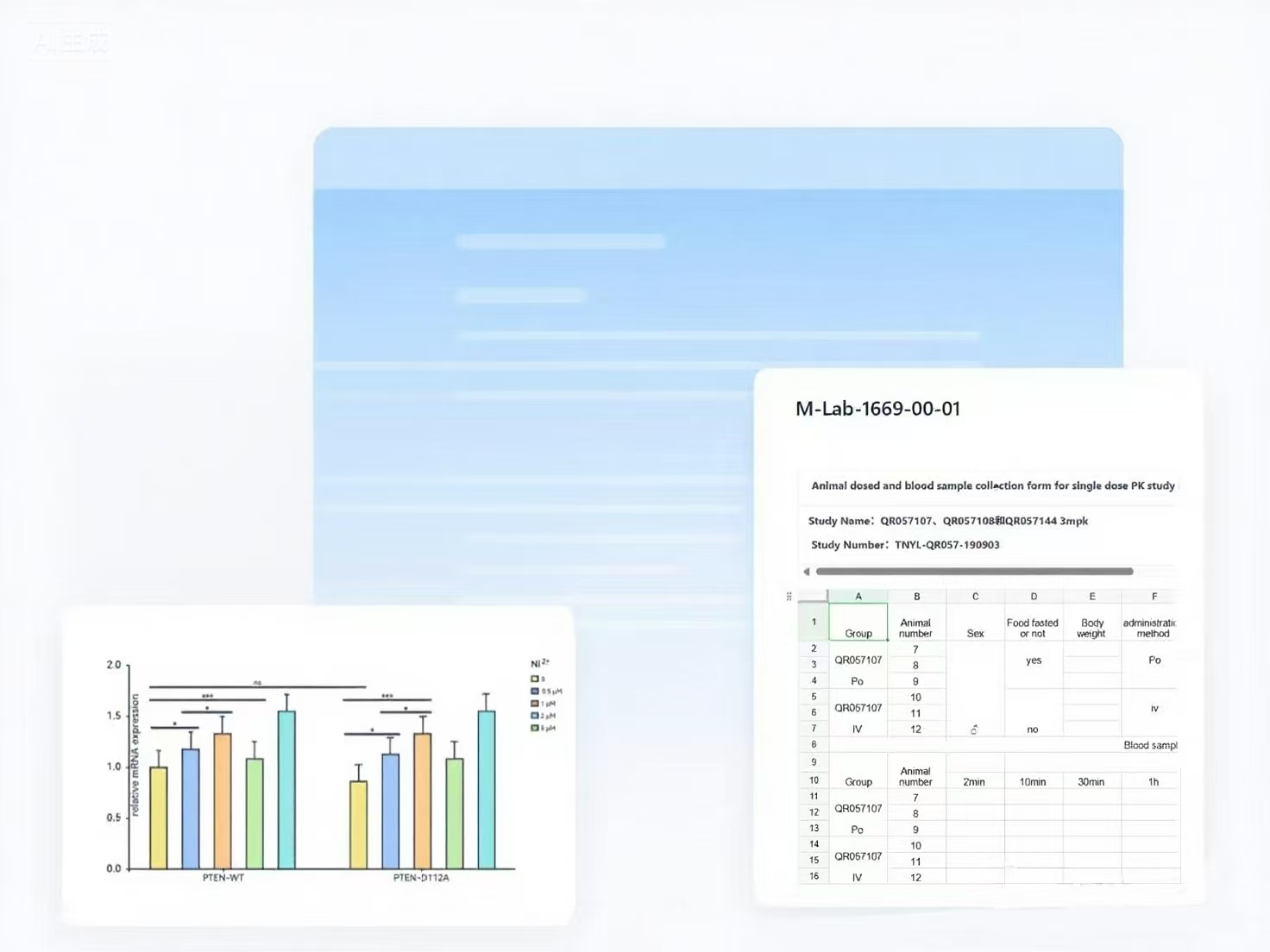
The evolution from paper to digital documentation has been driven by several converging factors: increasing regulatory scrutiny, the growing complexity of multi-site research collaborations, and the sheer volume of data generated by modern analytical instruments. According to industry estimates, laboratories that adopt digital documentation systems experience a 30 to 50 percent improvement in operational efficiency compared to those relying on paper-based workflows.
ELN vs. LIMS: Understanding the Key Differences
One of the most common sources of confusion in the research technology landscape is the distinction between Electronic Laboratory Notebooks (ELNs) and Laboratory Information Management Systems (LIMS). While both are essential components of a comprehensive scientific documentation platform, they serve fundamentally different purposes.
Electronic Laboratory Notebooks (ELNs)
An ELN is designed primarily to replace the traditional paper lab notebook. It provides researchers with a digital space to record experimental procedures, observations, results, and conclusions. Key features include:
- Free-form and structured data entry that accommodates the diverse documentation styles across scientific disciplines
- Rich media support for embedding images, spectra, chromatograms, and other analytical data
- Template-based workflows that standardize experimental documentation while maintaining flexibility
- Search and retrieval capabilities that make historical data instantly accessible
- Collaboration tools that enable real-time sharing and review among team members
ELNs are particularly valuable in discovery research, where experimental protocols are fluid and documentation needs are highly variable.
Laboratory Information Management Systems (LIMS)
A LIMS, by contrast, focuses on sample and data management throughout the analytical workflow. It tracks samples from collection through analysis to reporting, ensuring data integrity and traceability at every stage. LIMS features typically include:
- Sample lifecycle management with barcode or RFID tracking
- Instrument integration for automated data capture from analytical equipment
- Quality control workflows with configurable acceptance criteria and out-of-specification alerts
- Regulatory reporting tools aligned with GLP, GMP, and other compliance frameworks
- Inventory and resource management for reagents, standards, and consumables
LIMS are essential in regulated environments such as pharmaceutical quality control, environmental testing, and clinical diagnostics.
The Convergence Trend
In recent years, the boundary between ELNs and LIMS has blurred significantly. Leading scientific documentation platforms now offer integrated solutions that combine the creative flexibility of ELNs with the structured data management capabilities of LIMS. This convergence reflects the reality of modern research workflows, where discovery and analysis are increasingly intertwined rather than sequential.
Why Research Teams Need a Digital Documentation System
The transition from paper-based to digital documentation represents one of the most impactful operational improvements a research organization can make. The benefits extend far beyond simple convenience, touching every aspect of laboratory operations from data integrity to team productivity.
Ensuring Data Integrity and Reproducibility
The scientific community has faced a growing reproducibility crisis, with studies suggesting that more than 70 percent of researchers have failed to reproduce another scientist's experiments. While many factors contribute to this problem, inadequate documentation is a significant root cause. Paper notebooks are inherently vulnerable to data loss, illegible entries, and selective recording.
A digital scientific documentation platform addresses these issues through automated audit trails, timestamped entries, and version control. Every change to a record is tracked and attributed, creating a complete and tamper-evident history of experimental work. This level of transparency is not only essential for scientific rigor but is also a fundamental requirement for regulatory compliance under frameworks such as FDA 21 CFR Part 11 and EU Annex 11.
Accelerating Collaborative Research
Modern research is overwhelmingly collaborative. A single project may involve researchers across multiple institutions, time zones, and disciplines. Paper notebooks create significant barriers to this type of collaboration — data must be physically shared, transcribed, or scanned, introducing delays and potential errors.
Cloud-based scientific documentation platforms eliminate these barriers by providing a centralized, always-accessible repository for research data. Team members can view, comment on, and contribute to experimental records in real time, regardless of their physical location. This capability is particularly valuable for multinational research programs, where time zone differences can otherwise slow progress by days or weeks.
Streamlining Regulatory Compliance
For organizations operating in regulated industries — pharmaceuticals, biotechnology, medical devices, and contract research organizations — regulatory compliance is not optional. Regulatory agencies such as the FDA, EMA, and PMDA require comprehensive documentation of research activities, including detailed audit trails, electronic signatures, and controlled access.
A compliant scientific documentation platform automates many of these requirements, reducing the administrative burden on researchers and quality assurance teams. Features such as role-based access control, electronic signature workflows, and automated compliance reporting can reduce the time required for regulatory inspections and audits by up to 60 percent.
Key Features to Look for in a Scientific Documentation Platform
Selecting the right scientific documentation platform requires careful evaluation of features, usability, and alignment with your organization's specific needs. The following criteria should guide your assessment.
1. Intuitive User Interface and Workflow Design
The most powerful platform is worthless if researchers refuse to use it. User adoption is the single most critical factor in the success of any documentation system implementation. Look for platforms that offer:
- Clean, modern interfaces that minimize the learning curve for non-technical users
- Configurable templates that can be tailored to specific experimental workflows without requiring programming expertise
- Drag-and-drop functionality for adding images, files, and data to experimental records
- Mobile and offline access that allow researchers to document work even when internet connectivity is limited
2. Integration with Laboratory Instruments and Software
Research laboratories rely on a diverse ecosystem of instruments and software — spectrometers, chromatographs, microplate readers, statistical analysis packages, and molecular biology tools. A scientific documentation platform that integrates seamlessly with these tools can dramatically reduce manual data entry and the associated risk of transcription errors.
Look for platforms that support standard data formats (XML, JSON, CSV, AnIML) and offer APIs or pre-built connectors for common laboratory instruments and software applications. Direct integration eliminates the need for researchers to manually transfer data between systems, saving time and improving data accuracy.
3. Advanced Search and Data Analysis Capabilities
The true value of a digital documentation system emerges over time, as the accumulated body of research data becomes a searchable knowledge base. Platforms that offer advanced search capabilities — including full-text search, metadata filtering, faceted navigation, and semantic search — enable researchers to quickly locate relevant historical data, identify patterns, and build on previous work.
Some advanced platforms also incorporate built-in data analysis and visualization tools, allowing researchers to perform preliminary analyses without exporting data to separate software. This integration of documentation and analysis within a single environment can significantly accelerate the pace of scientific discovery.
4. Compliance and Security Features
For regulated environments, compliance features are non-negotiable. Essential security and compliance capabilities include:
- Audit trails that record every action taken within the system, including data entries, modifications, and deletions
- Electronic signatures that comply with FDA 21 CFR Part 11 and equivalent international standards
- Role-based access control that restricts data access based on user roles and responsibilities
- Data encryption both at rest and in transit, ensuring the confidentiality of sensitive research information
- Regular backups and disaster recovery capabilities that protect against data loss
5. Scalability and Customization
Research organizations evolve over time — teams grow, projects expand, and requirements change. A scientific documentation platform should be able to scale with your organization, supporting everything from a small academic lab to a large multinational pharmaceutical R&D operation.
Customization options are equally important. The ability to create custom fields, templates, workflows, and reports ensures that the platform can adapt to the unique requirements of your specific scientific discipline and organizational processes.
The Rise of AI-Powered Scientific Documentation
Artificial intelligence is rapidly transforming scientific documentation, introducing capabilities that were unimaginable just a few years ago. AI-powered scientific documentation platforms leverage machine learning and natural language processing to automate routine tasks, enhance data quality, and extract insights from unstructured research data.
Intelligent Data Capture and Organization
Modern AI systems can automatically extract structured data from unstructured documents — research papers, patent filings, internal reports, and even handwritten notes. This capability dramatically reduces the time researchers spend on manual data entry and ensures that valuable information is captured and organized systematically.
Some platforms use AI to automatically categorize and tag experimental data, creating intelligent taxonomies that make large datasets more navigable and searchable. Natural language processing enables researchers to query their data using plain language questions, rather than complex database queries.
AI-Assisted Experiment Planning
Advanced platforms now offer AI-assisted experiment planning tools that can suggest optimal experimental designs based on historical data and published literature. These tools can identify potential confounding variables, recommend sample sizes for statistical power, and even predict likely outcomes based on patterns in existing data.
ZettaLab: AI-Driven Laboratory Documentation
Among the emerging leaders in AI-powered scientific documentation, ZettaLab stands out with its integrated suite of laboratory automation and documentation tools. ZettaNote, the company's online electronic laboratory notebook, delivers GLP-compliant documentation with advanced editing tools and enterprise-level security — designed specifically for molecular biology and life sciences research teams.
What distinguishes ZettaLab's approach is the deep integration between documentation and analysis tools. ZettaGene provides sequence visualization, plasmid construction, and primer design capabilities directly within the documentation environment, while ZettaCRISPR offers automated sgRNA design for CRISPR-Cas9 experiments. This tight coupling of documentation and scientific workflow tools eliminates the friction of switching between separate applications, enabling researchers to document their work as naturally as they think.
With clients including Johnson & Johnson Pharmaceutical R&D, Roche Biologics Division, and Bayer Crop Science, ZettaLab has demonstrated that AI-powered scientific documentation can scale to meet the demands of the world's most sophisticated research organizations.
Implementation Best Practices for Research Teams
Deploying a scientific documentation platform is a significant organizational change that requires careful planning and execution. The following best practices can help ensure a successful implementation.
Start with a Clear Needs Assessment
Before evaluating platforms, conduct a thorough assessment of your organization's documentation needs, pain points, and workflows. Involve researchers, laboratory managers, IT staff, and compliance officers in this process to ensure that all perspectives are represented. Key questions to address include:
- What types of experiments and data are being documented?
- What regulatory requirements apply to your organization?
- What instruments and software systems need to be integrated?
- How many users will need access, and what are their varying needs?
- What is the current state of your paper or legacy digital records?
Prioritize User Training and Change Management
The most sophisticated scientific documentation platform will fail if researchers do not adopt it. Invest in comprehensive training programs that address the needs of different user groups — from bench scientists to senior investigators to quality assurance personnel.
Change management is equally critical. Communicate the benefits of the new system clearly and consistently, and address concerns about workflow disruption and data migration proactively. Identify and empower "champions" within each research team who can provide peer support and demonstrate the value of the new platform.
Plan for Data Migration
If your organization has existing paper records or legacy digital documentation, develop a detailed data migration plan. Prioritize records based on their current relevance and regulatory significance, and consider a phased migration approach that minimizes disruption to ongoing research activities.
Establish Governance and Maintenance Processes
Define clear policies for data ownership, access control, retention, and archival. Assign responsibility for system administration, user management, and ongoing maintenance. Regular review and optimization of workflows, templates, and configurations will ensure that the platform continues to deliver value as your organization evolves.
Measuring the ROI of Scientific Documentation Software
Demonstrating return on investment is essential for securing ongoing organizational support for any technology initiative. When evaluating the ROI of a scientific documentation platform, consider both quantitative and qualitative benefits.
Quantitative Benefits
- Time savings: Researchers spend an estimated 20 to 30 percent of their time on documentation tasks. Digital platforms can reduce this by 40 to 60 percent through automation, templates, and streamlined workflows.
- Error reduction: Manual data transcription errors in paper-based systems can affect up to 5 percent of records. Digital systems with instrument integration virtually eliminate these errors.
- Faster regulatory reviews: Organizations using compliant digital documentation systems report 50 to 60 percent reductions in the time required for internal and external audits.
- Reduced storage costs: Digital documentation eliminates the need for physical storage space, which can represent significant cost savings for organizations with extensive archival requirements.
Qualitative Benefits
- Improved reproducibility: Comprehensive, searchable digital records make it easier to reproduce previous experiments and build on existing knowledge.
- Enhanced collaboration: Cloud-based platforms break down geographic and temporal barriers, enabling more effective teamwork.
- Better knowledge retention: When researchers leave an organization, their knowledge and experimental records remain accessible in the digital system, reducing the risk of institutional memory loss.
- Increased innovation: By freeing researchers from administrative burden and making historical data more accessible, digital documentation platforms create more time and mental space for creative scientific thinking.
Conclusion
The adoption of a scientific documentation platform is one of the most strategic investments a research organization can make. From ensuring data integrity and regulatory compliance to accelerating collaborative discovery and enabling AI-powered insights, these platforms fundamentally transform how research is conducted, documented, and shared.
As the volume and complexity of scientific data continue to grow, the organizations that embrace digital documentation will be best positioned to capitalize on their research investments, attract top scientific talent, and compete in an increasingly data-driven scientific landscape. Whether you are just beginning your digital transformation journey or looking to upgrade from an outdated system, the key is to choose a platform that aligns with your scientific workflows, scales with your ambitions, and empowers your researchers to focus on what they do best — discovering.
相关文章