What Is a Laboratory Record System and Why Modern Labs Need One More Than Ever
A laboratory record system helps labs improve traceability, reduce transcription errors, and accelerate reporting. Learn how modern digital platforms like ZettaLab support smarter, more compliant research workflows.
What Is a Laboratory Record System?
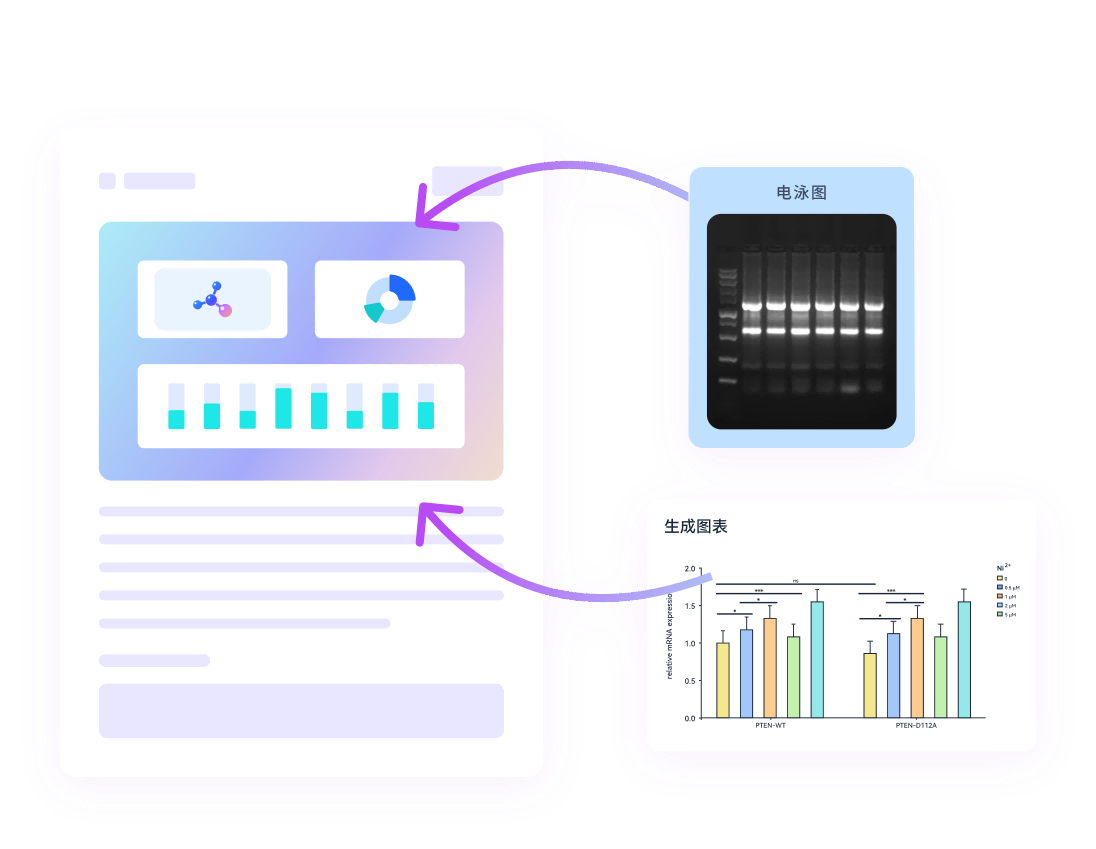
A laboratory record system is the digital backbone of a modern lab. It captures, organizes, and manages experimental records, sample information, test results, procedural notes, and reporting workflows in one structured environment. Instead of relying on paper notebooks, spreadsheets, email threads, and disconnected files, laboratories use a record system to create a more reliable and searchable source of truth.
In practice, a laboratory record system may include functions such as sample tracking, experiment documentation, result reporting, audit trails, standardized templates, and team collaboration. In advanced settings, it is often connected with broader digital lab infrastructure such as an electronic laboratory notebook (ELN) or a laboratory information management system (LIMS).
As research complexity grows, this kind of system is no longer optional. It has become essential for accuracy, speed, compliance, and long-term scalability.
Why Traditional Lab Recordkeeping Breaks Down
Many laboratories still depend on fragmented workflows. Experimental notes may live in paper notebooks, sample metadata in Excel, instrument outputs in local folders, and final reports in email attachments. This setup may appear manageable at small scale, but it creates serious operational weaknesses over time.
The most common problems include:
- Manual transcription errors
- Inconsistent naming and formatting
- Delays in result reporting
- Poor traceability across samples and experiments
- Limited visibility for collaborators and supervisors
- Difficulties with compliance, auditing, and knowledge retention
Once a lab begins handling higher sample volumes or more cross-functional collaboration, these problems become expensive. Teams spend more time looking for information, checking versions, and correcting avoidable mistakes.
What the Research Shows
A recent peer-reviewed study on microbiology LIMS implementation in Timor-Leste highlighted a pattern that many labs already recognize: when laboratory records and reporting are digitized well, workflows improve in measurable ways.
The study reported improvements in:
- Sample throughput
- Data management
- Result reporting
- Standardization of laboratory outputs
- Accessibility of results
- Reduction of transcription errors
At the same time, the research also showed that implementation success does not come from software alone. Labs need planning, customization, stakeholder buy-in, training, infrastructure support, and a realistic sustainability model.
That insight matters. The best laboratory record system is not simply the one with the longest feature list. It is the one that fits how scientists actually work.
Key Benefits of a Modern Laboratory Record System
1. Better Data Integrity
When experiment records, sample details, and outputs are entered into a structured digital system, the chance of missing, duplicated, or misread information drops significantly. Standardized fields and templates create consistency from the start.
2. Faster Reporting
A modern laboratory record system shortens the path from bench work to result delivery. Instead of re-entering data into multiple documents, teams can move from data capture to reporting with fewer manual steps.
3. Stronger Traceability
Every experiment, edit, attachment, and result should be traceable. This is critical for regulated work, quality control, troubleshooting, and scientific reproducibility.
4. Easier Collaboration
Research is increasingly collaborative. Scientists, lab managers, analysts, and external stakeholders all need access to reliable information. A centralized system makes it easier to work across teams without losing context.
5. More Scalable Operations
What works for 10 samples usually fails at 1,000. A robust laboratory record system helps labs scale without multiplying administrative burden.
Laboratory Record System vs ELN vs LIMS
These terms are closely related, but they are not identical.
A laboratory record system is the broad concept. It refers to the overall framework used to capture and manage lab records.
An ELN focuses more on experiment documentation, protocols, observations, and research notes.
A LIMS is usually more operational, with stronger emphasis on sample lifecycle management, workflows, tracking, and reporting.
In many modern labs, the most effective approach is not choosing one in isolation, but using a platform that brings these capabilities together in a practical way.
What to Look for in a High-Quality Laboratory Record System
If you are evaluating platforms, focus on the fundamentals:
- Structured experiment documentation
- Secure cloud access
- Searchable records and files
- Collaboration and permissions
- Auditability and version history
- Standardized templates
- Integration with research workflows
- Support for long-term compliance and quality requirements
The goal is not just digitization. The goal is to reduce friction while improving scientific quality.
Where ZettaLab Fits In
For molecular biology teams that want a more connected digital workflow, ZettaLab is a relevant platform to watch. According to its official website, ZettaLab positions itself as a cloud-based R&D platform for molecular biologists, combining molecular biology tools, an electronic laboratory notebook, and collaborative documents to help bridge lab data silos and improve research efficiency and quality.
One reason this matters in the laboratory record system conversation is that many labs do not just need a place to store notes. They need an environment where experiment documentation, research collaboration, and scientific tooling work together.
ZettaLab’s product stack reflects that need:
- ZettaNote provides an online electronic laboratory notebook with GLP-oriented positioning
- ZettaGene supports molecular biology workflows such as sequence visualization, editing, plasmid construction, primer design, alignment, and translation
- ZettaFile adds team-friendly file storage and collaboration
This kind of integrated model is valuable because laboratory records are not created in isolation. They emerge from active research workflows, shared documents, protocol iteration, and growing volumes of biological data. A platform like ZettaLab can therefore fit naturally into labs that want to move beyond disconnected notebooks and spreadsheets toward a more unified digital record environment.
Why Adoption Still Fails in Some Labs
Even strong tools can fail if implementation is rushed. The Timor-Leste study made this especially clear. The common barriers were not only technical. They included connectivity issues, ongoing funding needs, training gaps, and sustainability concerns.
That is why successful rollout usually depends on five things:
- Clear workflow mapping before deployment
- Role-based training for users
- Realistic infrastructure planning
- Customization around actual lab processes
- Ongoing support after launch
Technology should adapt to scientific work, not the other way around.
The Future of Laboratory Record Systems
The next generation of laboratory record systems will be more intelligent, connected, and collaborative. They will not simply archive what happened. They will help researchers work better in real time.
We can expect stronger adoption of:
- AI-assisted documentation
- Smart data structuring
- Cross-team knowledge sharing
- Integrated experimental design tools
- Compliance-ready cloud platforms
- Unified environments for records, files, and scientific workflows
As laboratories face more pressure to deliver reproducible, high-quality, and fast results, digital record infrastructure will become a strategic asset rather than an administrative tool.
Final Thoughts
A well-designed laboratory record system improves far more than documentation. It strengthens data quality, supports compliance, reduces avoidable errors, and gives research teams a better foundation for growth.
The evidence from real-world implementation is clear: digital systems can meaningfully improve laboratory performance, but only when they are thoughtfully deployed and aligned with user needs. Platforms such as ZettaLab show how the market is evolving beyond basic note-taking toward integrated, cloud-based research environments that combine ELN capabilities, collaboration, and scientific tools in one place.
For labs planning digital transformation, the key question is no longer whether to modernize laboratory records. It is how quickly they can adopt a system that supports both scientific rigor and operational scale.
相关文章