Research Lab Software: What Modern Scientific Teams Need to Work Faster and Smarter
Scientific research is more digital, collaborative, and data-heavy than ever before. Teams are no longer just running experiments. They are also managing documentation, coordinating projects, organizing files, tracking samples, sharing results, and preserving institutional knowledge across people and programs. That is why interest in research lab software continues to grow.
The old way of working, with paper notebooks, spreadsheets, disconnected cloud folders, and scattered chat threads, creates friction at every stage. Information gets buried. Projects lose visibility. Documentation becomes inconsistent. Collaboration slows down. As research teams scale, those problems become harder to ignore.
Modern research lab software is designed to fix that. It helps laboratories unify scientific work, operational workflows, and research data in a way that improves efficiency without sacrificing rigor.
What Is Research Lab Software?
Research lab software is a broad category of digital tools that helps laboratories manage scientific work more effectively. Depending on the platform, it can include experiment documentation, project coordination, sample tracking, data organization, collaboration, and workflow automation.
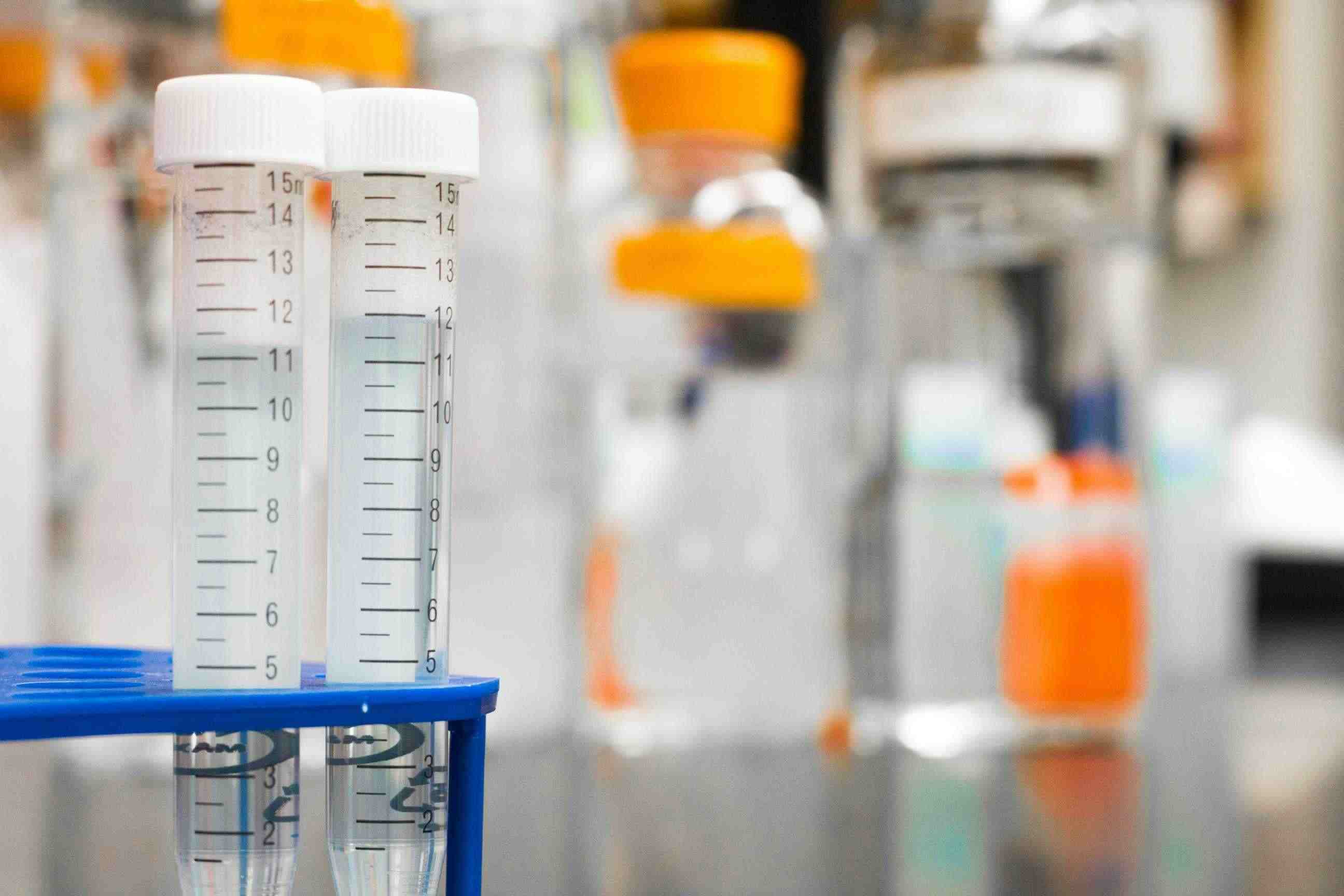
The key idea is simple: research does not happen in one place or one format. A single lab may need to manage:
- Experiment records
- Protocols and SOPs
- Raw and processed data
- Project timelines
- Team communication
- Scientific files and attachments
- Sample and reagent information
- Review, approval, and traceability workflows
When these elements live in separate systems, scientists spend too much time searching, reconciling, and re-entering information. Good research lab software reduces that fragmentation.
Why Labs Are Investing in Better Research Lab Software
Research teams are under pressure to do more with less. They need to move quickly, maintain high-quality records, collaborate across disciplines, and support increasingly complex workflows.
That is why more organizations are replacing improvised tool stacks with purpose-built research lab software.
1. Disconnected Tools Create Daily Inefficiency
Many labs still operate through a combination of notebooks, email, messaging apps, spreadsheets, and local storage. Each tool solves a small problem, but together they create a chaotic working environment.
2. Project Visibility Is Often Poor
Team leads and lab managers need to know what is happening across experiments and projects. Without the right software, it becomes difficult to see progress, blockers, ownership, and upcoming work.
3. Documentation Quality Varies Too Much
Consistent records are essential for reproducibility, onboarding, collaboration, and compliance. Informal systems make documentation heavily dependent on individual habits.
4. Scaling Makes Everything Harder
As headcount, data volume, and workflow complexity increase, the cost of fragmented systems increases too. What feels manageable in a small lab often becomes unsustainable in a growing organization.
The Best Research Lab Software Supports the Full Research Workflow
A lot of software can help a lab in one narrow area. But the best research lab software does not just manage tasks or store notes. It supports the real flow of scientific work.
That usually means helping teams:
- Plan and document experiments
- Organize files and project materials
- Link data to scientific context
- Support collaboration across functions
- Maintain searchable records
- Reduce manual handoffs
- Preserve knowledge over time
This is why integrated research platforms are gaining so much attention. Labs increasingly want fewer disconnected tools and a more unified working environment.
Key Categories of Research Lab Software
The market includes several important categories, each solving part of the problem.
1. Electronic Lab Notebooks
ELNs replace paper-based records with searchable digital documentation. They help labs standardize experiment capture and improve traceability.
2. Project and Workflow Management Tools
These tools help teams manage priorities, deadlines, dependencies, and responsibilities across ongoing research work.
3. Data and Sample Management Systems
These platforms track sample metadata, assay information, inventory, and related scientific records.
4. Scientific Collaboration Platforms
These tools focus on shared documentation, cloud-based file access, permissions, and team coordination.
5. Integrated Research Platforms
This category is becoming especially important. Instead of solving only one problem, integrated platforms bring together documentation, scientific tools, files, and collaboration in a connected environment.
What to Look for in Research Lab Software
Not every product is designed for real scientific workflows. If you are evaluating research lab software, focus on the features that have the biggest operational impact.
Centralized Information
A strong platform should bring experiments, files, project context, and team knowledge into one place.
Searchability
Scientists need to find records quickly. Search, tags, metadata, and structured organization are essential.
Collaboration
The best research lab software supports team science, not just individual note-taking. Shared workspaces, comments, and permissions matter.
Traceability
Version history, edit logs, and approval records help labs maintain quality and accountability.
Workflow Fit
The software should adapt to how your team works, rather than forcing research into a generic business process.
Scalability
A useful system should still work as your team grows, your data expands, and your workflows become more complex.
ZettaLab and the Shift Toward Connected Research Platforms
One platform that reflects this shift is ZettaLab.
ZettaLab combines molecular biology tools, electronic lab notebook functionality, and collaborative documentation in a cloud-based environment built for modern life science teams. Its ecosystem includes sequence visualization and editing, plasmid construction, primer design, sequence alignment, experiment documentation, file collaboration, and permission-based teamwork.
That makes ZettaLab especially relevant in the research lab software category. Instead of treating documentation, scientific design work, and team coordination as separate software problems, it brings them closer together in one research environment.
For molecular biology and biotech teams, this can create meaningful operational value. Experimental planning, recordkeeping, sequence work, and collaboration are deeply connected in day-to-day research. When those activities happen across too many disconnected tools, labs lose time and context. A connected platform helps restore both.
Why Integrated Research Lab Software Is Gaining Momentum
The direction of the market is clear. Labs are moving away from fragmented tool stacks and toward integrated research software that supports the scientific process more holistically.
This shift brings several advantages:
- Less duplicated effort
- Better data continuity
- Faster project handoffs
- Stronger knowledge retention
- Improved operational visibility
- More consistent documentation
- Better collaboration across teams
As research organizations become more complex, operational clarity becomes a major advantage.
How to Choose the Right Research Lab Software
The best choice depends on your lab’s actual bottlenecks.
Start by asking:
- Is your biggest issue documentation, collaboration, project visibility, or file sprawl?
- Do you need a single-purpose tool or a more integrated platform?
- Does the software match your scientific workflows?
- Will it support growth in users, data, and project complexity?
- Can your team realistically adopt it in daily work?
The right research lab software should not just digitize existing chaos. It should make the lab easier to run, easier to scale, and easier to learn from.
Final Thoughts
The growing demand for research lab software reflects a deeper change in how science gets done. Research teams need more than storage and note-taking. They need systems that connect documentation, scientific workflows, collaboration, and data in a usable way.
That is why integrated platforms are becoming more important across modern labs. For teams in molecular biology and biotech, platforms like ZettaLab point to where the category is heading: toward connected digital environments that help scientists work faster, stay organized, and build stronger research continuity over time.
相关文章