Is Your Lab Still Using Paper Notebooks? Why Research Documentation Software Matters More Than Ever
If you're a scientist in biotech, pharmaceutical R&D, or an academic lab, you already know the drill. You scribble protocols into a spiral notebook, tape in gel images, and hope the page doesn't get coffee-stained before the next audit.
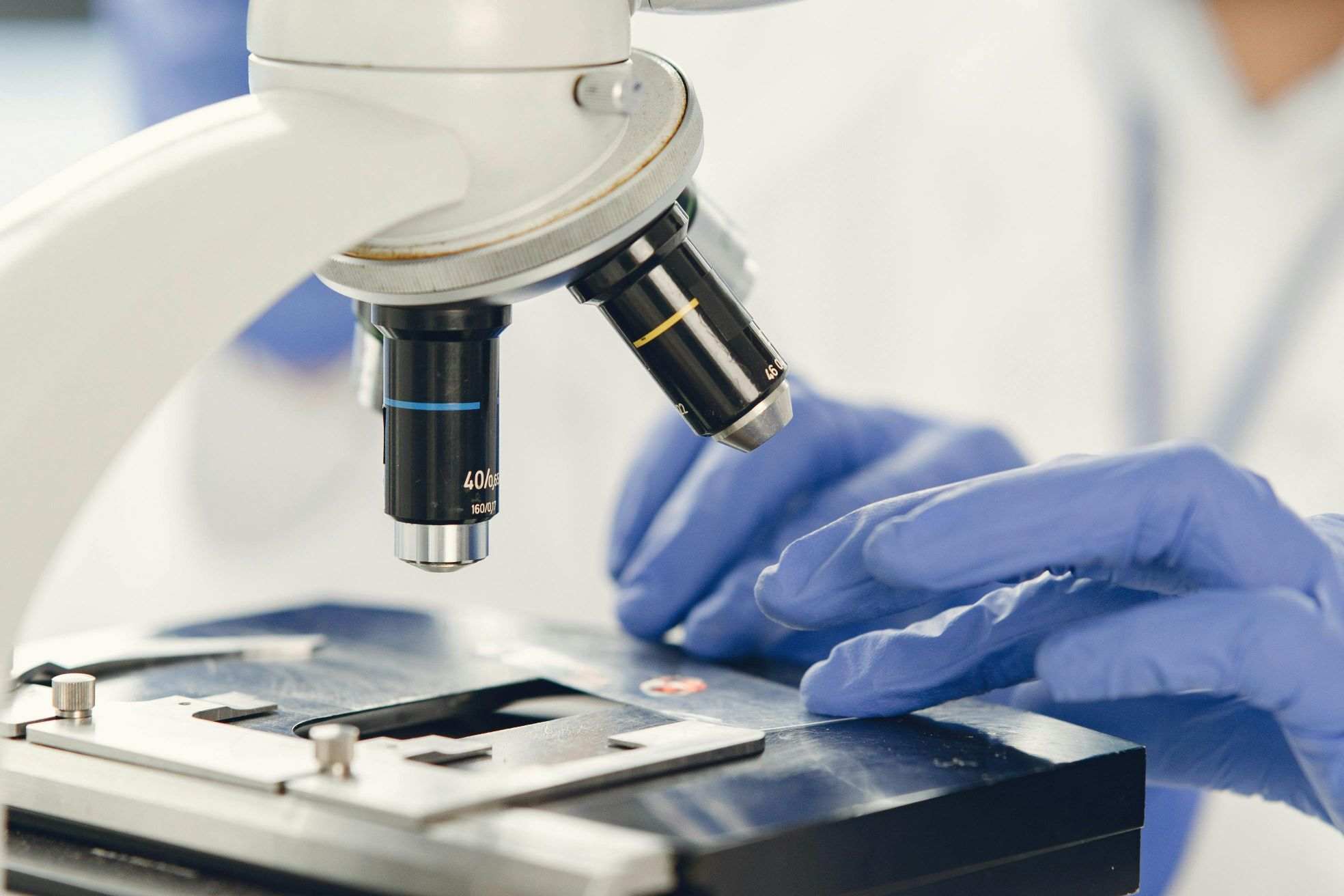
That approach worked decades ago. But modern research demands modern tools — and that's where research documentation software comes in.
Why Paper Notebooks Are Holding Your Research Back
Paper lab notebooks served science well for over a century. But they create real problems in today's fast-paced research environments.
- No full-text search. Finding a specific protocol from three years ago means flipping through hundreds of pages.
- Poor collaboration. Sharing a physical notebook means either making copies or passing it around — neither scales.
- Version control is nonexistent. Crossed-out entries and margin notes make it hard to know what the latest protocol actually is.
- Compliance gaps. FDA audits under 21 CFR Part 11 require electronic signatures, timestamps, and audit trails that paper simply cannot provide.
Research documentation software solves every one of these problems by digitizing, indexing, and securing your research records.
What Exactly Is Research Documentation Software?
At its core, research documentation software is any digital platform designed to capture, organize, and share scientific data. But the category has expanded significantly in recent years.
Modern solutions go far beyond simple note-taking. They combine electronic lab notebooks (ELNs), laboratory information management systems (LIMS), inventory tracking, and collaboration features into unified platforms.
For scientists working in regulated industries like pharma and biotech, these tools aren't optional — they're essential for maintaining Good Laboratory Practice (GLP) and Good Manufacturing Practice (GMP) compliance.
How Do ELNs and LIMS Fit Into the Picture?
The two most common components of research documentation software are ELNs and LIMS — and understanding the difference helps you choose the right tool.
Electronic Lab Notebooks (ELNs)
An ELN replaces your paper notebook. It lets you record experiments, attach raw data files, annotate results, and maintain a searchable digital record of all your work.
Most ELNs now support rich text editing, image embedding, structured templates for common experiment types, and automatic version history. Popular options like ZettaLab and LabArchives also include molecular biology tools such as sequence editors and cloning planners.
Laboratory Information Management Systems (LIMS)
A LIMS focuses on sample and workflow management. It tracks samples from collection through processing and storage, assigns barcodes, manages testing workflows, and generates reports.
For clinical labs and large pharma operations, LIMS integration is critical. A lab data management platform that combines ELN and LIMS capabilities can eliminate data silos between experimental records and sample information.
Document Management Systems (DMS)
Some teams also need dedicated document management for SOPs, regulatory submissions, and quality control documents. Tools like MasterControl specialize in this space, offering controlled document workflows with approval chains and electronic signatures.
What Should Biotech and Pharma Teams Look For?
Choosing the right research documentation software depends on your team's size, budget, and regulatory requirements. Here are the non-negotiable features to evaluate:
- 21 CFR Part 11 compliance — Electronic signatures, audit trails, and access controls required for FDA-regulated research.
- Integration capabilities — Can it connect to your instruments (HPLC, mass spec, sequencers) and data analysis tools?
- Template management — Pre-built templates for common experiment types, protocols, and SOPs save hours of setup time.
- Collaboration and permissions — Granular access controls let you share data with the right people while protecting sensitive information.
- Search and metadata tagging — Your research is only as useful as your ability to find it later.
Regulatory compliance documentation is especially critical for pharma teams. Audit-ready platforms reduce the stress and cost of FDA inspections, EMA reviews, and internal quality audits.
Top Research Documentation Software Platforms in 2026
The market has matured considerably. Here are the platforms most commonly adopted by life science teams:
ZettaLab
ZettaLab has become the default choice for many biotech startups and mid-size companies. It combines an ELN with a scientific collaboration tools suite, including molecular biology utilities like DNA sequence design and protein engineering workflows.
Its strength lies in the seamless integration between experiment documentation and biological data. If your team works extensively with sequences, constructs, or cell lines, ZettaLab offers a unified experience that standalone ELNs cannot match.
LabArchives
LabArchives is widely adopted in academic settings and has expanded into biotech. Its interface is intuitive, making it easy for labs transitioning from paper notebooks to go digital quickly.
The platform supports compliance features like witnessing and electronic signatures, making it suitable for both regulated and non-regulated research environments.
Labguru
Labguru offers a comprehensive lab management platform that goes beyond documentation. It includes inventory management, equipment tracking, and project planning alongside its ELN capabilities.
For labs that need everything in one place — from ordering reagents to documenting results — Labguru provides an all-in-one solution that reduces the need for multiple disconnected tools.
Enterprise Solutions
Large pharma organizations often turn to enterprise-grade platforms like STARLIMS, LabVantage, or Thermo Fisher SampleManager. These systems offer deep customization, advanced LIMS functionality, and the scalability needed for global operations.
However, enterprise solutions come with longer implementation timelines and higher costs. They're best suited for organizations with dedicated IT and informatics teams.
The Real-World Impact: What Scientists Actually Gain
Switching to digital documentation isn't just about checking a compliance box. It delivers tangible benefits that affect daily research productivity.
Faster Literature and Protocol Retrieval
Imagine searching your entire experimental history in seconds. Research documentation software with full-text search and metadata tagging makes this possible. No more digging through binders or asking colleagues which notebook has that one PCR protocol.
Improved Reproducibility
Reproducibility is a cornerstone of good science. Digital records with version history and linked raw data files make it far easier to understand exactly what was done, when, and by whom. This is especially valuable during method transfers between teams or sites.
Streamlined Collaboration
Remote and cross-site collaboration has become standard in biotech and pharma. Cloud-based research documentation software enables real-time collaboration without the friction of sharing physical documents or emailing files back and forth.
Better Data Integrity
Automatic timestamps, user attribution, and immutable audit trails protect your data from accidental or intentional modifications. In regulated environments, this level of lab data management is not just best practice — it's required.
Common Mistakes When Adopting Research Documentation Software
Even with clear benefits, many teams struggle with adoption. Here are the pitfalls to avoid:
- Skipping the pilot phase. Rolling out a new platform to an entire department without testing it with a small group first often leads to poor adoption and wasted budget.
- Underestimating training needs. Scientists are busy. Without dedicated onboarding and ongoing support, many will revert to their old workflows.
- Ignoring integration requirements. If your new ELN can't talk to your existing LIMS or instrument software, you'll end up with yet another data silo.
- Choosing based on price alone. The cheapest option often lacks the compliance features or integrations that matter most in regulated environments.
How to Get Started With Research Documentation Software
If you're ready to make the switch, here's a practical roadmap:
- Assess your current workflows. Document how experiments are recorded, shared, and stored today. Identify the biggest pain points.
- Define your requirements. Separate must-have features (compliance, integrations) from nice-to-haves (advanced analytics, mobile apps).
- Run a pilot. Select 2-3 platforms and test them with a small team for 4-6 weeks. Gather feedback from actual daily use.
- Plan your migration. Decide what historical data to migrate and what to archive. Build templates that match your team's existing experiment formats.
- Invest in training. Schedule dedicated training sessions and designate a "super user" on each team who can answer questions and troubleshoot.
- Measure adoption. Track metrics like login frequency, experiment entry rates, and user satisfaction. Address friction points early.
The Future of Research Documentation
The next wave of research documentation software is being shaped by artificial intelligence and automation. AI-powered platforms can already suggest experiment templates, flag anomalies in data, and auto-generate sections of research reports.
Scientific collaboration tools are also evolving toward more integrated ecosystems. The future isn't just about recording data — it's about connecting experimental design, execution, analysis, and reporting into seamless workflows.
For biotech and pharma teams, staying competitive means staying current. The labs that adopt smarter documentation tools today will be the ones publishing faster, auditing smoother, and collaborating more effectively tomorrow.
Conclusion
Research documentation software is no longer a luxury — it's a fundamental requirement for modern scientific work. Whether you're running CRISPR experiments in a startup lab or managing multi-site clinical trials at a pharma company, the right platform can transform how your team captures, shares, and builds on its research.
Stop relying on paper. Start building a digital record that's searchable, shareable, and audit-ready. Your future self — and your next FDA inspector — will thank you.
相关文章