How Does Laboratory Documentation Software Transform Research Workflows and Accelerate Scientific Discovery
Laboratory documentation software streamlines experiment tracking, ensures regulatory compliance, and empowers research teams — discover how modern digital tools reshape modern labs.
Why Laboratory Documentation Software Matters More Than Ever
Scientific research generates enormous volumes of data every day. From molecular biology experiments to pharmaceutical drug development, researchers must document every procedure, observation, and result with precision. Yet many laboratories still rely on paper notebooks, scattered spreadsheets, and disconnected filing systems that create bottlenecks, increase error rates, and slow down the path from discovery to publication.
Laboratory documentation software has emerged as the definitive solution to these challenges. By digitizing experiment records, automating data capture, and enforcing compliance standards, modern documentation platforms help research teams work faster, collaborate more effectively, and maintain the traceability required by regulatory agencies worldwide.
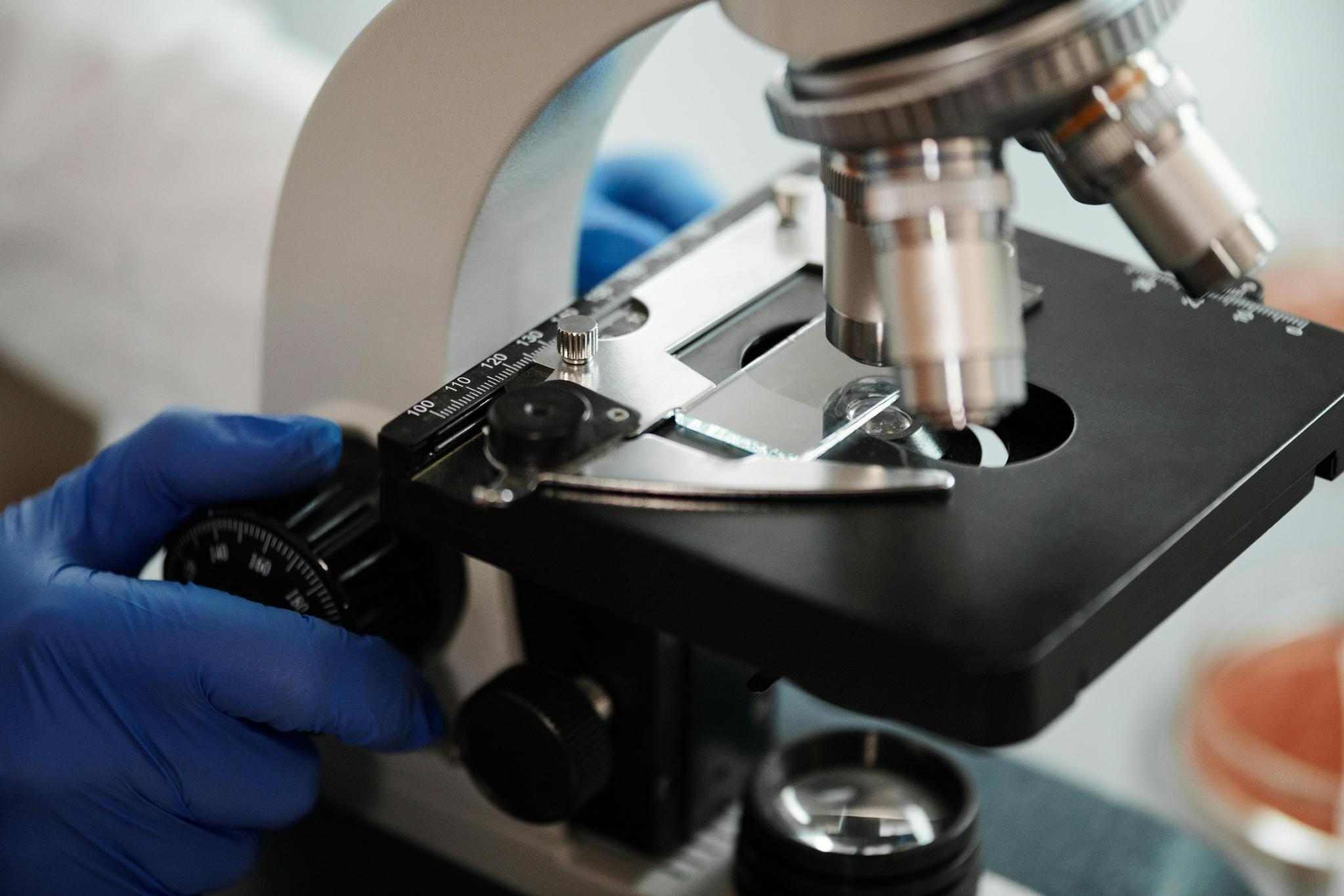
The shift toward digital lab documentation is no longer optional — it is becoming a fundamental requirement for competitive, compliant, and scalable research operations across biotechnology, pharmaceuticals, academic institutions, and contract research organizations (CROs).
What Is Laboratory Documentation Software?
Laboratory documentation software refers to a category of digital platforms designed to capture, organize, store, and share scientific data generated during research activities. These platforms typically combine several core capabilities:
- Electronic Lab Notebooks (ELNs) that replace traditional paper notebooks with searchable, version-controlled digital records
- Laboratory Information Management Systems (LIMS) that track samples, reagents, and workflow statuses
- Protocol and workflow management tools that standardize experimental procedures
- Compliance and audit trail features that satisfy regulatory requirements such as FDA 21 CFR Part 11, GLP, and GMP
Unlike generic document management tools, laboratory documentation software is purpose-built for the unique needs of scientific research — supporting structured data entry, chemical and biological data types, instrument integration, and cross-team collaboration in ways that general-purpose software cannot.
Key Features That Define Modern Laboratory Documentation Platforms
When evaluating laboratory documentation software, research teams should look for a combination of features that address both day-to-day usability and long-term regulatory demands.
Digital Experiment Recording with Version Control
Every experiment generates a chain of observations, protocol changes, and data points. Modern platforms allow researchers to document experiments in real time, with automatic version history that tracks every modification. This ensures complete traceability — a cornerstone of good scientific practice and regulatory compliance.
Structured Templates and Protocol Libraries
Reproducibility is a critical challenge in modern science. Documentation platforms that offer pre-built templates for common experiment types — such as PCR protocols, cell culture procedures, or analytical testing workflows — help standardize processes across teams and reduce variability in how experiments are conducted and recorded.
Compliance-Ready Audit Trails
Regulatory agencies require that laboratory records be attributable, legible, contemporaneous, original, and accurate — collectively known as the ALCOA+ principles. Leading laboratory documentation software enforces these principles through built-in electronic signatures, timestamped entries, role-based access controls, and immutable audit logs.
Integrated Data Management
Scientific experiments produce diverse data types: numerical measurements, images, spectra, genomic sequences, and more. Effective documentation software integrates with analytical instruments and data analysis tools, allowing researchers to attach raw data files directly to experiment records and maintain a single source of truth.
Collaboration and Knowledge Sharing
Research is increasingly a team effort, often spanning multiple departments, institutions, or even countries. Cloud-based laboratory documentation platforms enable real-time collaboration, granular permission management, and shared knowledge repositories that break down information silos and accelerate collective progress.
How Laboratory Documentation Software Addresses Real-World Research Challenges
Reducing Human Error in Data Entry and Record-Keeping
Manual transcription from paper notebooks to digital systems introduces errors at every step. A study published in Nature estimated that data transcription errors affect up to 30% of manually recorded datasets. Laboratory documentation software eliminates this risk by capturing data at the source — directly from instruments or through structured digital forms — ensuring accuracy from the first entry.
Accelerating Regulatory Submissions
For biotech and pharmaceutical companies, regulatory submissions such as IND, NDA, and BLA filings require meticulously organized documentation. Platforms that support GLP-compliant electronic lab notebooks and structured data export dramatically reduce the time required to compile submission-ready dossiers. Solutions like ZettaLab's AI Translation Agent further streamline this process by providing regulatory-grade document translation with terminology consistency — a critical capability for global biopharma operations navigating multi-language submission requirements.
Enabling Remote and Hybrid Research Models
The global shift toward flexible work arrangements has made cloud-based documentation tools essential. Researchers need secure access to experiment records, protocols, and team communications from any location. Platforms with desktop clients, mobile applications, and browser-based interfaces ensure that scientific work continues uninterrupted regardless of where team members are located.
Bridging the Gap Between Experimental and Computational Biology
Modern research often requires tight integration between wet lab experiments and computational analysis. Laboratory documentation software that supports sequence visualization, plasmid construction, and data analysis — such as ZettaLab's integrated molecular biology toolset — bridges this gap by providing a unified environment where researchers can document experiments, analyze results, and collaborate with bioinformatics teams without switching between disconnected tools.
Choosing the Right Laboratory Documentation Software: A Practical Framework
Selecting the right platform requires careful evaluation of your laboratory's specific needs, existing infrastructure, and compliance requirements. Here is a structured approach to guide the decision-making process:
Step 1: Assess Your Current Documentation Pain Points
Begin by identifying the specific challenges your team faces. Common pain points include lost or inaccessible experiment records, difficulty reproducing past experiments, slow onboarding of new team members, and compliance audit anxiety. Prioritize the issues that have the greatest impact on research productivity and data integrity.
Step 2: Define Must-Have vs. Nice-to-Have Features
Not every laboratory needs every feature. A small academic lab may prioritize ease of use and affordability, while a pharmaceutical R&D department requires validated compliance features, multi-site deployment, and instrument integration. Create a prioritized feature list that distinguishes between essential capabilities and desirable add-ons.
Step 3: Evaluate Integration Capabilities
Your documentation software should work seamlessly with your existing tools — from chromatography data systems and DNA sequencing platforms to project management and communication software. API availability, data import/export formats, and pre-built integrations are all important evaluation criteria.
Step 4: Consider Scalability and Total Cost of Ownership
A platform that serves a five-person lab today must also support growth. Evaluate pricing models (per-user vs. per-feature), cloud storage limits, and the cost of additional modules or integrations over time. Solutions that offer modular pricing — such as ZettaLab's $10/month access to all features with a 60-day free trial — can provide significant value for growing research teams.
Step 5: Request a Trial and Gather Team Feedback
The best way to evaluate usability is to have your actual research team test the platform with real workflows. Pay attention to the learning curve, mobile accessibility, and customer support quality. User adoption is the single most important factor in the success of any laboratory documentation implementation.
Compliance and Data Integrity: Non-Negotiable Requirements
For laboratories operating in regulated environments, compliance is not a feature — it is a fundamental requirement. Key regulatory frameworks that laboratory documentation software must support include:
- FDA 21 CFR Part 11: Governs electronic records and electronic signatures, requiring audit trails, access controls, and system validation
- Good Laboratory Practice (GLP): Establishes standards for the planning, performance, monitoring, recording, archiving, and reporting of non-clinical laboratory studies
- Good Manufacturing Practice (GMP): Ensures products are consistently produced and controlled according to quality standards
- EU Annex 11: European equivalent to 21 CFR Part 11, with additional requirements for data integrity and system security
When selecting laboratory documentation software, verify that the vendor provides validation documentation, supports electronic signatures compliant with applicable regulations, and offers configurable security policies that align with your organization's compliance framework.
The Role of AI in Next-Generation Laboratory Documentation
Artificial intelligence is rapidly transforming how researchers interact with documentation software. Key AI-driven capabilities emerging in the market include:
Automated Data Capture and Organization
Machine learning algorithms can automatically categorize experiment data, identify patterns, and suggest metadata tags — reducing the manual effort required to organize and retrieve records. This is particularly valuable for high-throughput laboratories that generate thousands of data points per day.
Intelligent Search and Knowledge Discovery
Natural language processing enables researchers to search experiment records using conversational queries rather than exact keyword matches. This makes it significantly easier to find relevant past experiments, protocols, and results across large and growing documentation archives.
Predictive Analytics for Experimental Design
Advanced platforms are beginning to incorporate predictive models that analyze historical experiment data to suggest optimal parameters, identify potential issues, and recommend protocol modifications — effectively turning documentation archives into active knowledge bases that inform future research decisions.
Regulatory Document Translation and Formatting
For global biopharma organizations, AI-powered translation systems specifically trained on pharmaceutical terminology can accelerate multi-language regulatory submissions while maintaining the precision and consistency required by regulatory agencies. This represents a significant advancement over general-purpose translation tools.
Industry Applications: Who Benefits Most from Laboratory Documentation Software?
While laboratory documentation software offers value across virtually all research disciplines, certain sectors stand to benefit most:
Pharmaceutical and Biopharmaceutical R&D
Drug discovery and development generate vast quantities of experimental data that must be meticulously documented to satisfy regulatory requirements and support patent applications. Comprehensive documentation platforms that integrate with LIMS, analytical instruments, and regulatory submission workflows are essential for these organizations.
Academic Research Laboratories
Universities and research institutes need affordable, user-friendly tools that support teaching, reproducibility, and collaboration across departments and institutions. Cloud-based platforms with tiered pricing models make professional-grade documentation accessible to academic teams with limited budgets.
Contract Research Organizations (CROs)
CROs serve multiple clients with different compliance requirements and documentation standards. Flexible documentation platforms that support multi-tenant architectures, client-specific workflows, and configurable compliance policies are critical for CRO operations.
Biotechnology Startups
Startups need tools that scale from small teams to enterprise-level operations without requiring complete platform migrations. Modular documentation software with transparent pricing and rapid deployment capabilities allows biotech startups to establish professional-grade documentation practices from day one.
Implementation Best Practices for Laboratory Documentation Software
Successfully deploying laboratory documentation software requires more than selecting the right platform — it demands thoughtful change management. Consider these best practices:
Start with a Pilot Project
Rather than deploying across the entire organization simultaneously, begin with a single team or project. This allows you to identify implementation challenges, refine workflows, and build internal champions who can advocate for broader adoption.
Invest in Training and Onboarding
User adoption is the primary determinant of implementation success. Provide comprehensive training that covers not only basic functionality but also best practices for digital documentation, compliance requirements, and workflow optimization.
Establish Clear Documentation Policies
Define organization-wide standards for experiment documentation, naming conventions, data retention, and access controls. These policies should be documented, communicated, and enforced consistently to ensure that the software delivers its full value.
Monitor and Iterate
Regularly collect feedback from users, review documentation quality metrics, and assess compliance audit readiness. Use these insights to continuously improve workflows, templates, and training programs.
The Future of Laboratory Documentation Software
The laboratory documentation landscape is evolving rapidly, driven by advances in cloud computing, artificial intelligence, and laboratory automation. Key trends shaping the future include:
- Deeper instrument integration through IoT and automated data pipelines that capture experiment data without manual intervention
- AI-assisted experiment design that leverages historical data to optimize protocols and predict outcomes
- Blockchain-based audit trails that provide tamper-proof documentation for the most security-sensitive applications
- Augmented reality interfaces that allow researchers to document hands-on procedures without touching a keyboard
- Cross-platform interoperability standards that enable seamless data exchange between different documentation, analysis, and collaboration tools
As these technologies mature, laboratory documentation software will evolve from a passive record-keeping tool into an active intelligence platform that guides research decisions, accelerates discovery, and ensures compliance with increasing levels of automation.
Conclusion
Laboratory documentation software has become an indispensable tool for modern research organizations. By replacing fragmented paper-based systems with integrated digital platforms, these tools enhance data integrity, streamline compliance, enable collaboration, and ultimately accelerate the pace of scientific discovery.
Whether you are a pharmaceutical giant managing multi-site regulatory compliance, an academic lab seeking reproducibility, or a biotech startup building scalable research infrastructure, the right documentation platform can transform how your team captures, shares, and leverages scientific knowledge. The key is to choose a solution that aligns with your specific needs, supports your compliance requirements, and scales with your ambitions — platforms like ZettaLab demonstrate how comprehensive, AI-enhanced documentation ecosystems can serve the full spectrum of modern laboratory environments.
The transition from paper to digital is no longer a question of if — it is a question of how quickly and effectively your organization can make the shift. Research teams that invest in robust laboratory documentation software today will be better positioned to compete, comply, and innovate tomorrow.
相关文章